
Hear Our First-Gen Stories
Different journeys. Shared determination. Meet the first-generation students and alumni making their mark at UM-Flint.
Click on profiles to read their entire first-gen story.
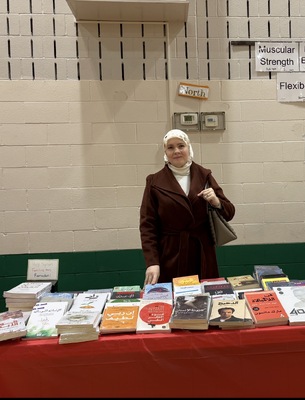 Alaa AlshourbagiUndergraduate Student“You don’t have to figure everything out on your own.”Read my first-gen story
My story
My educational journey has been a journey of determination, perseverance, and personal growth. I come from a Syrian family, and due to the political violence and repression under Hafez al-Assad’s regime, my family was forced to leave Syria and move to Jordan. Growing up, I experienced difficult circumstances that taught me resilience, patience, and the importance of perseverance. Despite these challenges, I developed a deep love for education and a strong desire to build a better future for myself.
I moved to the United States when I was 20 years old. As a first generation college student, a mother of five, and a native Arabic speaker, pursuing higher education has been both challenging and rewarding.
Two of the biggest challenges I have faced are balancing my responsibilities as a mother with my academic goals and pursuing my education in English, which is my second language. Managing family responsibilities while keeping up with coursework, academic reading, and writing has required a great deal of patience, dedication, and hard work.
What has kept me going is my strong belief in the value of education, my passion for learning, and my belief in myself. I have always loved learning, and I believe that education is one of the most valuable investments a person can make. I also believe that I deserve the opportunity to pursue my dreams, continue growing, and create a better future for myself.
My faith has been one of my greatest sources of strength throughout this journey. My children’s encouragement and their belief in my abilities have also inspired me to keep moving forward, even during difficult times.
The challenges I have experienced throughout my life have shaped who I am today. They have taught me to be independent, determined, and compassionate toward others. They have also helped me understand the importance of empathy, kindness, and supporting people who are facing their own struggles.
As a psychology student at the University of Michigan-Flint, my goal is to continue my education and become a Licensed Professional Counselor. I hope to use my knowledge, education, and personal experiences to help others, promote mental health awareness, and make a meaningful difference in people’s lives, especially within my community.
Beyond achieving my personal and professional goals, I hope my journey serves as an inspiration to my children, my future grandchildren, and other women in my community who may feel that their dreams are out of reach because of age, family responsibilities, or language barriers.
My advice for first-gen students
Believe in yourself and never underestimate your abilities. Don’t be afraid to ask questions, seek guidance, or use every resource available to you. You don’t have to figure everything out on your own. Keep believing in your dreams, even when the journey feels difficult. Remember that you deserve an education, a better future, and the opportunity to achieve your goals. Never give up on yourself.
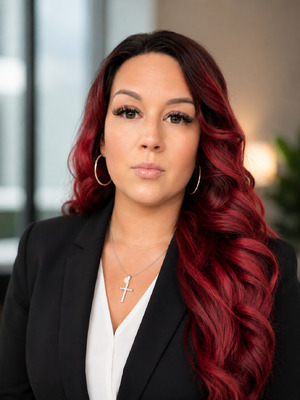 Alexandria SharonUM Alumni“Being first-gen means opening a door that my daughters can walk through with more confidence.”Read my first-gen story
My story
My biggest inspiration for attending college has been my two daughters. I wanted to build a more stable future for us and show them that they can pursue their goals, even when life does not go as planned. I also wanted to do something for myself—to prove that my past did not have to decide my future.
I am a single mother, half Hispanic, and a first-generation college student from Michigan. My experiences as a mother and a survivor of domestic violence have shaped who I am and why I chose social work. I know what it feels like to need support while trying to hold everything together. Those experiences have made me more understanding of others and more determined to help children and families feel heard and supported.
My college journey has meant balancing parenting, work, school, and financial responsibilities. There have been late nights, moments of self-doubt, and times when I felt pulled in several directions. Being first-gen has also meant figuring out an unfamiliar process while learning to ask questions and advocate for myself. Asking for help has not always been easy, but I am learning that I do not have to figure everything out alone.
My daughters have kept me going, along with family, encouraging instructors, and people who have believed in me along the way. When I feel overwhelmed, I think about what my daughters are watching me do. I want them to know that being strong includes struggling, accepting help, and trying again.
I earned my Bachelor of Social Work from the University of Michigan–Flint and am now pursuing my Master of Social Work at the University of Michigan, with the goal of becoming a school social worker. Working with students continues to remind me why this matters to me.
Being first-gen means opening a door that my daughters can walk through with more confidence. It means being proud of where I come from while creating new possibilities for our future. My journey has taken persistence and sacrifice, and I am proud that I kept going.
My advice for first-gen students
My advice to other first-gen students is to give yourself grace. You are learning how to navigate something new while balancing everything else in your life. Ask questions, reach out for support, and remember that needing help does not mean you are any less capable. As a mother balancing work and school, I have learned that some days are about getting through one assignment at a time. Celebrate the small wins and be proud of how far you have come. Your journey may look different from someone else’s, and that is okay. You belong here, even on the days you doubt yourself.
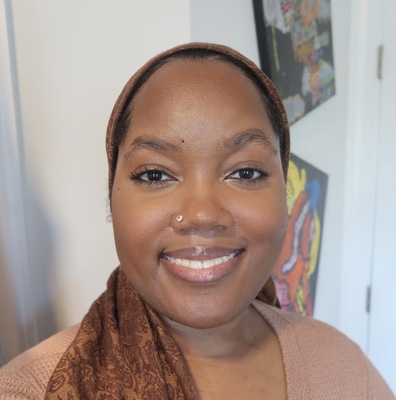 Atiyah SaleemahGraduate Student“Keep going even if your reality doesn’t reflect your dreams.”Read my first-gen story
My story
In my life, I’ve faced many obstacles that would have otherwise deterred me away from pursuing a higher education. One of those obstacles would be growing up in a single parent home and watching my mom take care of me without any help. My two older sisters were grown adults in their 20s by the time I was growing up, so the guidance I had was one of hard work but school was something that no one before me had finished. So while they taught me a lot about perseverance, I didn’t have anyone to teach me about college. So I started to trek along that journey with their support but essentially, alone. The journey to higher education hasn’t been the easiest but I didn’t let that stop me; I used many of the resources around and I asked the questions that needed to be answered. Just because my household couldn’t provide me with resources didn’t mean that I didn’t seek those resources out myself. That’s one of the things you’ll have to do as a first-gen student; you’re going to have to do everything or something’s by yourself and just “figure it out.” As time passes and I have since graduated with a Bachelor’s and now pursuing a Master’s, I wouldn’t have wanted my journey any other way because it had provided me with the tools and skill sets to not only help others but to also assure myself that I can do anything I put my mind to even if I have to “get it out the mud.”
My advice for first-gen students
Keep going even if your reality doesn’t reflect your dreams. Even if no one around has reached your academic pedigree, use that as a means of motivation to push even further and continuing to blaze that path for the generation to come after you. I didn’t stop at getting a first degree because I knew that I wanted to continue to be an inspiration and show the kids in my family and in the world that, no matter your circumstance, you can and will go far beyond what your current reality holds. As long as you believe in yourself and understand that your life assignment wasn’t meant to be easy but with the journey your heading on, at the end of the tunnel, it will be heavily celebrated.
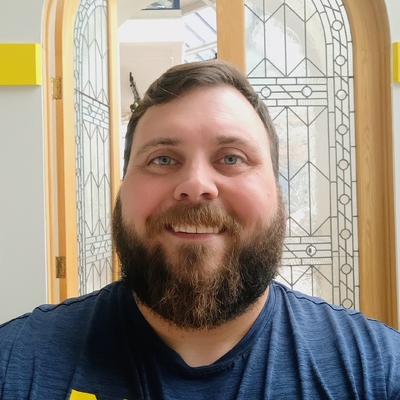 BenGraduate Student“You bring experience and perspective that belong in the classroom.”Read my first-gen story
My story
I am a father of two, a first-generation graduate student at the University of Michigan-Flint, and a healthcare professional in Michigan. My faith, my children, and my experiences serving others have shaped my values and the direction I want to take in life.
I spent five years working at Caro State Psychiatric Hospital before moving into patient access and revenue cycle with Cleveland Clinic. I now serve as a Patient Access Supervisor at DMC. Those experiences have shown me how much patients depend on the people and processes behind their care. They have also motivated me to continue my education and become a stronger leader.
Balancing fatherhood, work, and graduate school takes commitment. I have continued pursuing my goals through significant personal changes, learning to ask for help and make the most of the opportunities available to me. Being selected for a graduate student research assistant position at UM-Flint has been an achievement I am especially grateful for.
As a first-generation student, I am proud to make higher education part of my family’s story. I want my children to see that learning and growth can continue throughout life, even when the path looks different from what we originally imagined.
My advice for first-gen students
Do not count yourself out because you are unfamiliar with the process. Ask questions, get to know your professors, and use the resources available to you. You bring experience and perspective that belong in the classroom. Give yourself credit for that. When balancing school with work and family gets difficult, focus on the next manageable step and remember why you started.
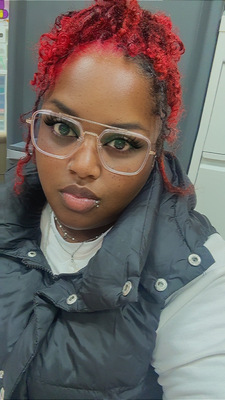 BrittanyUndergraduate Student“You are breaking barriers, creating opportunities, and building a legacy for those who will come after you.”Read my first-gen story
My story
My inspiration to attend college came from wanting more for myself, my children, and the families I serve. As a mother of two, Daniya and Ameer, I wanted my children to understand that no matter where life takes you, your circumstances do not have to determine your future.
Another significant source of inspiration was my Cousin Bernice, who attended and graduated from the University of Michigan–Ann Arbor. Her accomplishment showed me the importance of higher education and what is possible through hard work, dedication, and perseverance. Seeing someone in my own family achieve that milestone helped me recognize that pursuing a college education was something I could accomplish, too. Her journey planted a seed of possibility and gave me an example of what determination could look like.
My passion for early childhood education also played a significant role in my decision. Working with young children and their families has shown me the importance of education, advocacy, and having someone who genuinely believes in your potential. I wanted to continue growing professionally while setting an example for my children that it’s never too late to pursue your dreams.
For me, attending college is about more than earning a degree. It is about building upon the example Cousin Bernice set, creating opportunities for my children, and continuing a legacy of educational achievement within my family. I want Daniya and Ameer to understand that although the journey may not always be easy, their dreams are worth pursuing.
My journey has been anything but easy. As a single mother raising two children, working full-time as an Early Head Start educator, and attending college, I have had to learn how to balance responsibilities that often compete for my time and attention.
There have been countless late nights, early mornings, moments of exhaustion, financial challenges, and times when I questioned how I would manage everything on my plate. Some days, being a mother required more of me. Other days, my professional responsibilities demanded my attention, all while assignments, deadlines, and exams continued.
Beyond those responsibilities, I have also been navigating personal challenges, learning to prioritize myself, and doing the necessary work to grow and heal.
However, despite everything life has placed in front of me, I have continued showing up. I have maintained a strong GPA and continued making progress toward graduation. I am learning that perseverance isn’t always about having everything figured out. Sometimes it’s simply making the decision not to give up, even when giving up seems easier.
Who has helped you keep going?
Without question, my greatest motivation has been my children, Daniya and Ameer. They are my reason for pushing forward on days when I feel like I have nothing left to give. I want them to see that hard work, determination, and faith can carry you through some of life’s most difficult seasons.
I also carry the memory of my granddad, Mr. Dorsey, who meant so much to me. Although he is no longer physically here to witness this milestone, I carry him with me throughout this journey. There are moments when I wish I could pick up the phone, hear his voice, and tell him how far I’ve come. Applying for graduation was one of those moments. I wish he could be here to see the woman I am becoming and the promises I have worked so hard to fulfill.
My Cousin Bernice’s educational journey has also remained a source of inspiration. Her accomplishment reminds me that the path I am walking has been traveled by someone in my family before me, and I am proud to continue building upon that example.
I am also grateful for the family members, friends, professors, and individuals who have encouraged me, believed in me, and reminded me of my capabilities when I needed it most.
Most importantly, my faith has helped sustain me. I believe Allah has a purpose for my life, and even when I don’t understand every part of the journey, I trust that there is a reason I have been given the strength to continue.
What does being first-generation mean to you?
Being a first-generation college student means so much more to me than earning a degree. It means breaking generational barriers, creating opportunities, and changing the narrative for the generations that will come after me.
It means walking into unfamiliar spaces, learning things I was never taught, figuring things out along the way, and refusing to allow fear or uncertainty to stop me.
It means showing my children that their mother didn’t just talk about dreams; she worked toward hers, even when life was difficult.
As I prepare to graduate in 2027 with my bachelor’s degree in Early Childhood Education, I recognize that this accomplishment represents more than my personal success. It represents every sacrifice, every sleepless night, every tear, every prayer, and every moment I chose to keep going.
I hope my story encourages another first-generation student, especially another mother who may be questioning whether she can balance raising a family, working, and pursuing her education.
My message to them is simple: You do not have to have everything figured out to begin. Your journey does not have to look like anyone else’s, and your progress is still progress, no matter how small it may seem.
I am not just earning a degree. I am creating a legacy, opening doors, and showing my children that what may have seemed impossible can become possible through faith, determination, and perseverance.
I may be the first in my immediate family to accomplish this, but my greatest hope is that I will not be the last.
My advice for first-gen students
My Advice to Other First-Generation College Students
My advice to other first-generation college students is simple: Never allow your circumstances, your fears, or the challenges you face to convince you that you are incapable of achieving your dreams.
Understand that your journey will not always be easy, and there will be moments when you question yourself, your abilities, and whether the sacrifices are worth it. I know because I have been there. But I encourage you to keep showing up, even on the days when all you have to give is your best for that particular day.
Give yourself grace. Ask questions, seek support, celebrate the small victories, and never be ashamed of what you don’t know. Remember, as first-generation students, we are often navigating spaces and experiences without having someone before us to show us exactly how it’s done. Not knowing everything doesn’t mean you don’t belong. It means you’re learning.
Most importantly, don’t become so focused on reaching the finish line that you forget to acknowledge how far you’ve already come. Every assignment completed, every obstacle overcome, and every semester finished is an accomplishment worth celebrating.
As a mother of two, a full-time educator, and a college student, I’ve learned that you don’t have to have everything figured out to be successful. You simply have to be willing to keep going.
Remember, you are not just pursuing a degree. You are breaking barriers, creating opportunities, and building a legacy for those who will come after you.
And if nobody has told you lately, let me be the one to remind you: You belong in every room your hard work has earned you a place in. Don’t give up on yourself. You’ve already come too far, and your story is still being written.
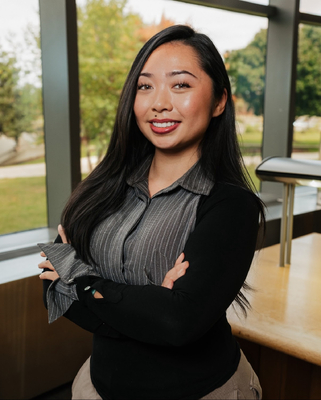 Cindy LeGraduate Student“You don’t have to do everything on your own.”Read my first-gen story
My story
I am a first-generation Vietnamese American and eldest daughter in my family. Growing up, I watched my parents work seven days a week to provide for our family and give us opportunities they never had. Because they were constantly working and faced language barriers, I took on responsibilities at a young age that most children probably didn’t have to think about. By the time I was in elementary school, I was helping my parents make phone calls, pay bills, and translate important documents. Although it was overwhelming at times, those experiences taught me independence, responsibility, and how to advocate for myself and others.
Like many children of immigrant parents, I grew up hearing that I had two career options: become a doctor or a lawyer. While my parents always emphasized the importance of education, my interest in healthcare actually began with my aunt, who helped raise me while my parents were at work. She was born with a backwards right leg as a result of Agent Orange exposure during the Vietnam War. Despite undergoing multiple surgeries to correct it, she has continued to experience difficulties with walking and other aspects of her health. Growing up, I saw how much her condition affected her daily life, and I would always tell her that one day, when I was older, I was going to fix her leg. Looking back, I think that was where my passion for helping people through healthcare first began.
As a first-generation college student, I had to figure out a lot of things on my own, from navigating the college application process to understanding financial aid and exploring career opportunities. I didn’t always know what resources were available or who to turn to for guidance. I initially pursued a bachelor’s degree in psychology, which deepened my interest in understanding people and the connection between physical and mental health. That eventually led me to pursue my Doctor of Physical Therapy degree at the University of Michigan-Flint.
My experiences have shaped not only my career goals but also the kind of person and healthcare provider I hope to become. They’ve taught me to recognize that everyone comes from different circumstances and that the challenges people face aren’t always visible. I’m passionate about taking a holistic approach to healthcare, recognizing the connection between physical and mental well-being, and helping people improve their quality of life. One day, I hope to create a wellness center that brings different healthcare services together to support people in living healthier, more fulfilling lives.
To me, being first-generation means more than being the first in my family to pursue higher education. It means recognizing the sacrifices that made my opportunities possible while also creating my own path. I’m proud of how far I’ve come, but I also know that I wouldn’t be here without my family’s hard work and the experiences that shaped me along the way.
My advice for first-gen students
My biggest advice to other first-generation students is to not be afraid to ask questions, seek out opportunities, and advocate for yourself. It can be intimidating navigating an environment where it feels like everyone else already knows what they’re doing, but the truth is that nobody has everything figured out.
You don’t have to do everything on your own. Find mentors, build relationships with your professors and classmates, and take advantage of the resources available to you. I’ve learned that asking for help isn’t a sign of weakness, but a way to grow.
Most importantly, don’t compare your journey to someone else’s. Your path might look different, and you may face challenges that others don’t fully understand, but that doesn’t make your accomplishments any less meaningful. Be proud of how far you’ve come, even if you’re still figuring out where you’re going.
 Desiree GilbertUndergraduate Student“You have come this far, and you will go farther.”Read my first-gen story
My story
Hi, my name is Desiree and I am a first-generation college student majoring in social work. I was born in Flint, although I did not live here for long. When I was a few weeks old, I was placed into foster care due to a profound finding of neglect and abuse. This was the very start of my journey that now feels like it has come full circle. I had two foster placements before I was ultimately placed under guardianship when I was just about two years old.
My upbringing was like a roller-coaster with many ups and downs. Being so young, I endured many hardships from the divorce of my guardians and further abuse and neglect to being a teen mom and experiencing homelessness.
A pivotal moment in my life was when I had my oldest son. The day I started my sophomore year of high school, my son also turned one month old. I faced backlash, bullying, isolation from my peers, and verbal abuse by my family for my situation. However, I was determined to make a life for my son.
I began a program at my high school called “Early College.” This program allowed me to take college classes at Kellogg Community College in Battle Creek while also attending high school classes. Unlike dual enrollment, this program was designed to lead to a certificate or an associate’s degree of our choosing, which we would receive upon high school graduation. This program was only offered to students like me who came from challenging backgrounds and was at no cost to our families, provided we made excellent grades in both schools. I took advantage of this program. I gave up extracurriculars, my weekends, and many friendships, and I worked as much as I could.
In my senior year, my advisor resigned and I found myself at a standstill. I could no longer attend my college classes, and I lost any chance I had at getting my associate’s degree. I was about to graduate and turn eighteen, and I was running out of time. Instead of continuing to pursue my associate’s degree in human services, I sought to obtain a CNA certification so I could support my son.
Life being what it is, I found myself homeless on my eighteenth birthday. I had a job I needed to get to, school to attend, and college classes I could not drive to as I was not allowed to have a license. Between all my responsibilities, I was taken in by a friend on the promise that I would assist her in caring for her mom who was fighting stage four cancer.
I would wake up in the mornings, walk my son to school, walk myself to school, walk back to pick up my son, wait for his father to pick him up and ask him for a ride to college classes, walk to work after school, and then walk back to my friend’s house to help her care for her mother.
I did this every day for a month before deciding to marry my son’s father to have a place to live. I graduated high school shortly after we eloped and then obtained my CNA two days after our wedding ceremony. Another month later, we moved to our first apartment and found out we were expecting our second child.
Things were not always easy, though. During this time, COVID-19 hit and I was laid off from my job. My husband and I found ourselves scraping change off the bottom of our car just to feed our son. We had little support from family in the middle of the pandemic, and we could not afford much.
In June of 2020, we had our second child. We quickly realized that he had health issues and was not developing as he normally should. Our second child was diagnosed with level 2 autism when he was around fifteen months old. For the following years, my husband and I would jump back and forth between employment and being stay-at-home parents to our children. We had another son in 2021 and suffered through many setbacks, but my husband and I had always made it work.
Finally, in 2023, while I was pregnant with our fourth child, we bought our first home. May of 2023 was another big milestone for our family. My husband got an amazing job opportunity, we moved into our first home, we welcomed our fourth son, and we started settling in as a family of six. We lived well until our fourth son was hospitalized at 6 months old with RSV.
At this point in my life, my mental health had begun to spiral. I was constantly anxious about doing the right thing for my kids and worried that one wrong step could mean I would be an unfit mother. I would lose so much sleep constantly thinking the worst was going to happen.
It took a worker from the health department to tell me bluntly that I was suffering from postpartum depression. This was a wake-up call for me. I looked for help and support from other moms and investigated therapy and medications.
Unfortunately, I never received help, and my family was beginning to suffer financially. Being the person I am, I told myself it was my fault and it was my job to fix it. I looked for a job for months. I remember breaking down and crying to both my husband and my dad that I was never going to find what I was looking for.
Then the phone rang. I was offered a position at my local community mental health, and I accepted it without a second thought. I started the position as a youth peer support specialist with no idea what it was or what I was getting myself into, but it was worth a shot.
Four months into my position, I found so much healing in telling my story to teenagers and young adults who were just like me, who were in the same places I was, and all I wanted to do was walk alongside them. I fell in love with my work and decided to continue my education. I had no money, no time, no direction, but I was determined to fight for them. And I did.
So now, here I sit, nearly three years into my profession, more than two years into my education, and now a mother of five little boys—and I still have so much story left to write.
As the years have passed and the hardships have changed, I have found that social work has always been a massive part of my life. I was in the system. I was a statistic. I was facing so many things stacked against me, and I walked it alone. But I made it, and I am no one special. I came out on the other side of the tunnel.
Studying social work to become the worker who saved my life, who empathized with my feelings, who saw me as an equal, is my way of giving back to that same fifteen-year-old girl who thought she never had a chance. Every bad thing I lived through shaped me to be the person who is not afraid to say she has been there, done that, and you are not going to be alone because I am here. I am in social work because it is my turn to tell others that, just like me, they can do it too.
My advice for first-gen students
Never let someone else tell you who you are and what you are capable of. You have come this far, and you will go farther. What matters to you is what matters most. Do it on your terms, at your rate, and aim high.
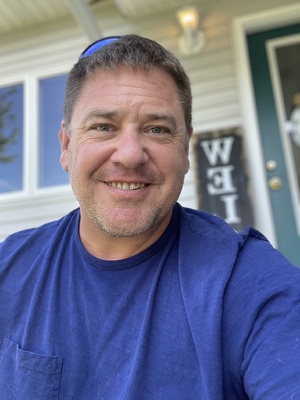 Douglas PojekyUndergraduate Student“Sometimes it takes decades of experience, a little humility, and the courage to begin again.”Read my first-gen story
My story
After serving 20 years in the United States Navy and traveling around the world, I thought retiring at 38 was the ultimate goal. What I discovered, however, was that early retirement is a lot like skipping school. At first, sleeping in and having nothing on your schedule sounds wonderful. But eventually, you realize everyone else is still at school, and it gets lonely.
To combat that loneliness, I began volunteering as a high school football coach. What started as a way to stay active and connected to my community eventually reminded me of something I had loved during my military career: teaching and mentoring others.
As I spent more time around the athletes, I noticed some struggling academically. One day, I decided to help a student who was having difficulty understanding something in class. Rather than repeat the explanation he had already received, I approached the subject from a different perspective. Almost immediately, I could see the moment everything clicked for him.
That moment reignited a spark I hadn't realized was still there.
Later, I discussed the experience with my wife. Her response was simple: "You're already at the school volunteering all year. Why don't you teach?"
Sometimes it takes someone else to recognize what has been right in front of you all along. Her question made me realize that teaching wasn't simply something I had enjoyed in the military. It was something I still wanted to do, and more importantly, something I believed I could use to make a difference in the lives of young people.
However, my decision to pursue higher education is only one part of a much larger personal transformation. Over the years, my life, beliefs, and understanding of the world have changed considerably. My military service exposed me to different cultures, difficult circumstances, and the realities of human conflict. Those experiences shaped my perspective, but they did not provide all the answers I once believed they had.
Perhaps one of the most profound changes in my life has been my rediscovery of faith. For many years, I considered myself an atheist. Eventually, through personal reflection and experiences that challenged my understanding of life, I found my way to Christianity. My faith has changed how I approach others, how I understand my responsibilities, and what I consider meaningful in life. I have come to believe that our purpose is not measured simply by what we accomplish for ourselves, but by what we contribute to the lives of others.
Interestingly, my spiritual journey and my academic journey have reinforced an important lesson: I do not have all the answers, and I should never stop asking questions. Returning to college has challenged me to reconsider assumptions, examine evidence, and appreciate perspectives different from my own. Rather than diminishing my beliefs, this process has encouraged me to think more deeply about them.
These experiences have also shaped my teaching philosophy. I believe that education should inspire curiosity rather than simply demand memorization. History is not merely a collection of names, dates, and events. It is the story of human beings making decisions within circumstances that we must first attempt to understand.
I want my students to immerse themselves in those circumstances, to imagine the choices people faced, and to understand the consequences of those decisions. I want them to learn to question assumptions, examine evidence, and form their own conclusions. Above all, I want them to recognize that disagreement does not require disrespect and that understanding another person's perspective does not necessarily mean accepting it.
I also believe that teaching requires adaptability. When a student struggles, I do not believe the solution is simply to repeat the same explanation more loudly or more slowly. Sometimes we must change our approach entirely. A familiar analogy or a different perspective can transform confusion into understanding. I witnessed that firsthand while helping one of my athletes, and it remains central to the teacher I hope to become.
Being a first-generation college student at 50 has given me an appreciation for opportunities I might have taken for granted earlier in life. I am no longer pursuing education simply to establish a career. I am pursuing it because I have discovered how much I still have to learn and how much I want to share with others.
I initially returned to school because I wanted to become a teacher. What I have discovered along the way is that becoming a student again has already changed the way I understand what it means to teach.
If my journey has taught me anything, it is that finding your purpose does not always happen early in life. Sometimes it takes decades of experience, a little humility, and the courage to begin again.
My advice for first-gen students
I hope my story encourages other first-generation students to understand that their circumstances, their age, and their previous experiences do not determine the limits of their potential. Go for it! And GO BLUE!
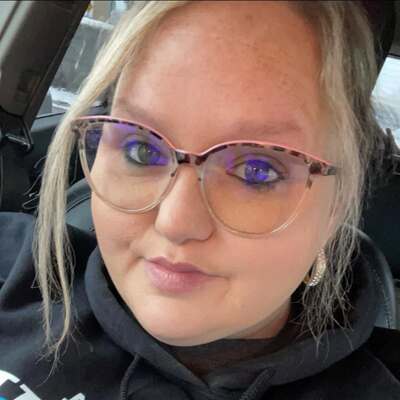 JacquiUndergraduate Student“A hard week doesn’t mean you can’t do this.”Read my first-gen story
My story
I’m a single mom, a first-gen college student studying General Business, and I work in local government. Between my son, work, and school, life stays pretty busy! At work, I help residents understand property taxes and programs that can help them stay in their homes. It’s taught me how much a little patience and taking the time to explain something can mean to someone.
I really value being open with people and treating everyone as an equal. We all have things going on that others may know nothing about. “Different doesn’t mean wrong” is one of my favorite mottos, and it fits how I look at life. We don’t all learn or do things the same way, and there’s room for that.
With school, I like connecting what I’m learning to things I’ve experienced. I can overthink it sometimes, but I’m working on giving myself a little grace along the way. I’m excited to earn my degree for myself, and ultimately, I want my son to be proud of me. I want him to see that even when life gets busy or something gets difficult, you can still find a way to follow through on a goal.
My advice for first-gen students
Give yourself a little grace, and don’t be afraid to ask questions. Being first-gen means you’re figuring out things you may never have been shown before. You’re not expected to know it all! We all have different lives and responsibilities, so don’t measure your progress against someone else’s. “Different doesn’t mean wrong” applies to your path, too. Set your mind to what you want, be open to help, and make adjustments when you need to. A hard week doesn’t mean you can’t do this.
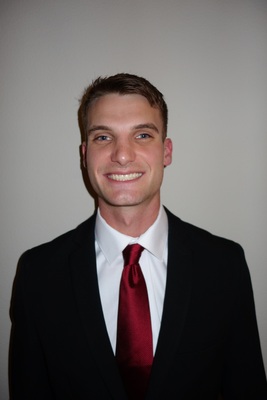 Jared SmithGraduate Student“Progress doesn’t always happen on the timeline you expect, and everyone’s path looks different.”Read my first-gen story
My story
I grew up in Michigan, where I developed an appreciation for hard work, accountability, and making the most of the opportunities in front of me. As a first-generation college student, my journey has been anything but traditional. I didn’t necessarily have a roadmap for navigating higher education or building a successful career, so much of my path has been about taking chances, learning through experience, and figuring things out along the way.
I began my career in the automotive remarketing industry at the auction level, starting in an entry-level position and working my way through several different operational roles. Over the years, I gained experience in nearly every aspect of auction operations, from vehicle inspections and post-sale processes to fleet services, transportation, and management. Those experiences gave me an appreciation for the people who make the industry work and taught me that leadership starts with understanding the work being done at every level. Eventually, my career came full circle as I transitioned from working on the auction side to representing a consignor, Westlake Financial, as a Regional Asset Manager. Being able to experience the industry from both perspectives has been one of the most rewarding parts of my professional journey.
Education has been an equally important part of that journey. I earned my Bachelor of Business Administration and later pursued a Master of Science in Leadership and Organizational Dynamics. Completing my master’s degree while working full time was one of the most challenging accomplishments of my life. It required sacrifices, discipline, and a commitment to keep going even when balancing professional responsibilities and coursework became difficult. I also completed Auction Academy, which further developed my understanding of the industry and leadership. Being recognized as an Automotive Remarketing 40 Under 40 honoree was another meaningful milestone. It represented years of hard work, professional growth, and dedication to an industry that has given me so many opportunities.
Some of the most defining moments in my life have come from stepping outside my comfort zone and overcoming fear. I’ve moved from Michigan to Louisiana and eventually to Houston, Texas, each time on my own and leaving behind familiar surroundings to pursue new opportunities. Those moves forced me to become independent, adaptable, and comfortable with uncertainty. I’ve learned that fear of the unknown should never be the reason you pass up an opportunity to grow. Some of the best things in my life have happened because I was willing to take a chance on myself before I knew exactly how things would turn out.
Mentorship has also played a significant role in shaping the person and professional I’ve become. Through the ARA Hand Up program, I’ve had the opportunity to learn from mentors who invested their time, shared their experiences, and helped guide my development. Their willingness to support me reinforced how important it is to have people in your corner who challenge you, encourage you, and recognize your potential. Those relationships have influenced the way I approach leadership and the importance I place on helping others succeed.
That appreciation for mentorship eventually gave me the opportunity to speak on a panel at the NAAA Conference, discussing the importance of mentorship and its impact on professional development. Being able to share my experiences and encourage others to invest in the next generation of industry professionals was especially meaningful. It was also another opportunity to push past the fear of stepping in front of a room and sharing my story. I never imagined that someone who started in an entry-level auction position would eventually have the opportunity to speak to industry professionals about leadership and mentorship.
These experiences have shaped the values I carry with me today. I believe in humility, integrity, treating people with dignity, and never forgetting where you started. I believe that people become who you expect them to be, and that leaders have a responsibility to recognize potential in others and create opportunities for them to grow. Throughout my career, some of the most meaningful opportunities I’ve received came from people who were willing to invest in me and see potential in me before I fully saw it in myself. I hope to do the same for others.
Looking back, I’m proud of the path I’ve taken, not because it has always been easy or straightforward, but because I’ve continued to push myself beyond what I once thought was possible. Being a first-generation college student has taught me that you don’t need to have everything figured out to pursue something bigger for yourself. Your starting point doesn’t have to determine your destination. Sometimes you just need the willingness to take the first step, the courage to face the unknown, the determination to keep going, and the humility to learn along the way. I hope my story encourages someone else to believe in their potential and recognize that there are many different paths to success.
My advice for first-gen students
My biggest advice to other first-generation students is to never let where you start determine where you believe you can go. You don’t need to have your entire life figured out, have a perfect plan, or know exactly what your future is going to look like. Sometimes the most important thing you can do is take the first step and trust yourself enough to figure out the rest along the way.
Don’t be afraid to ask questions, seek guidance, or lean on people who have experience you don’t. There is no weakness in not knowing something, and some of the greatest opportunities in my life have come from being willing to learn from others. Find mentors, build relationships, and surround yourself with people who challenge you to become better. Just as importantly, remember to pay that forward when you have the opportunity to help someone else.
I would also encourage students not to underestimate the value of their experiences outside the classroom. Education opens doors, but the work ethic, discipline, resilience, and relationships you develop along the way are just as important. There will be times when you question yourself, feel behind, or wonder if the sacrifices are worth it. Keep going. Progress doesn’t always happen on the timeline you expect, and everyone’s path looks different.
Most importantly, don’t feel like you have to follow someone else’s definition of success. My own journey took me from Michigan to Louisiana to Texas, from working at an automotive auction to managing operations and eventually representing a major financial institution. I never could have predicted exactly where I would end up. What I did know was that I wanted to keep learning, growing, and creating better opportunities for myself.
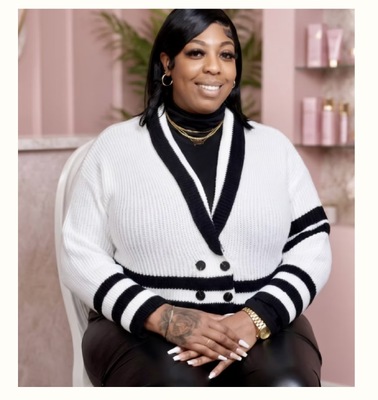 Keosha CrossUndergraduate Student“Give yourself grace, but don't give yourself permission to quit.”Read my first-gen story
My story
As a first generation college student, a mother and an entrepreneur, my journey has been anything but traditional. I've experienced setbacks, questioned myself, and had to figure out things that others may have had someone to guide them through. But every challenge has taught me resilience, determination, and the importance of believing in myself.
Returning to school as an adult has given me a different perspective on education. I'm not just pursuing a degree. I'm building a legacy, creating opportunities, and showing my children that it's never too late to become everything you imagined you could be. Being first-gen means I may be the first, but I certainly don't intend to be the last.
My advice for first-gen students
Give yourself grace, but don't give yourself permission to quit. You won't always have the answers, and sometimes you'll have to figure things out as you go. Ask questions, use your resources, advocate for yourself, and never be ashamed of needing help.
Most importantly, don't compare your journey to someone else's. Whether you're 18 or 41, or starting for the first time, you belong in every room your ambition leads you to. You're not behind. You're building something that didn't exist before you.
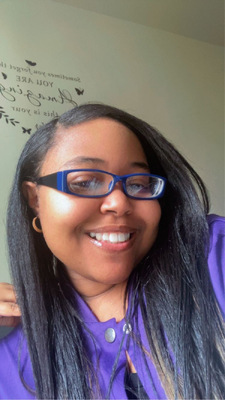 LeKeisha BaileyUndergraduate Student“Although I am the First Generation on my mother side, I will always want my siblings to see my determination, my eagerness to keep going.”Read my first-gen story
My story
I don’t come from a two parent household, I am the oldest on my mom side and the oldest on my dad side. Both of my parents did a wonderful job raising me, but I have to applaud my grandmother. Before my grandmother passed in 2020 when I attended Mott I made her a promise to keep going for my dreams and never give up, I’ve had several people tell me I was too old to go back to school, but I used that as my motivation to prove them wrong. My grandmother wasn’t able to see me walk the stage when I received my Associates and she won’t be able to see me walk when I receive my Bachelors degree. Although I am the First Generation on my mother side, I will always want my siblings to see my determination, my eagerness to keep going. My kids are my reason I have came along way, looking at them and the way they back at me is why I will never give up.
My advice for first-gen students
First Gen, my advice would be never ever give up, stay focused if you have a dream chase after it never let anyone define who you are as a person, never let anyone tell you your too your old, your too young use that as your determination to keep going.
 Leticia or TeeUndergraduate Student“No, matter how long it takes you, you can always earn your degree.”Read my first-gen story
My story
I started my journey to earn my degree several times and didn't work out until this time around. I started my journey out in the medical field but ended up changing it to technology. It has been a long journey and it took a lot of perserverance to complete my degree. i have had many set backs, but I never lost my drive to accomplish my dreams.
My advice for first-gen students
No, matter how long it takes you, you can always earn your degree. It isn't easy and it will take strength and perserverance to earn your degree but you can do anything that you put your mind to. You will get through the hard times and look back and be so proud of yourself and what you have acccomplished.
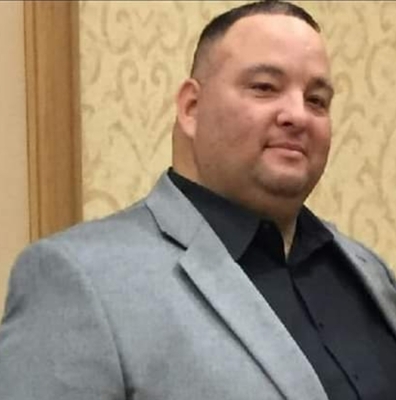 Lonnie FoxGraduate Student“Choose to get back up, dust off, and continue to push forward.”Read my first-gen story
My story
My mom immigrated from Mexico without speaking English. My dad grew up in the Appalachian region of the Carolinas and never learned to read or write. I grew up in Pasadena, Texas, in a family where money was scarce and, at times, we relied on food grocery stores had thrown away. College was far removed from the life I knew.
But people took the time to see something in me. Miss Fonville, my third-grade teacher at South Shaver Elementary, bought me sneakers when other children made fun of my shoes. I still remember what it meant to have a teacher care enough to do that. Later, my football coaches at Sam Rayburn High School, Coach Morgan and Coach Swenson, helped me recognize that my choices could lead me toward a different future. They expected effort and accountability, and their guidance stayed with me long after football ended.
My wife has been beside me since high school. She knew me before the degrees and leadership positions, and she shared the sacrifices that came with working, raising a family, and continuing my education. Every accomplishment carries some of her effort, too.
I became the first college graduate in my family, earned an MBA and built a career leading global procurement and supply chain operations. Today, I’m continuing that journey toward a DBA at the University of Michigan-Flint. I’m proud of how far I’ve come. I also remember the people who helped me get here and I want to give someone else the encouragement and guidance they gave me.
My advice for first-gen students
You can not choose where you come from or the cards you are dealt in life. Sometimes life will throw curve balls at you. There will be failures and successes but the key will be in how you react when adversity hits. Choose to get back up, dust off, and continue to push forward. That is where the real successes will come from.
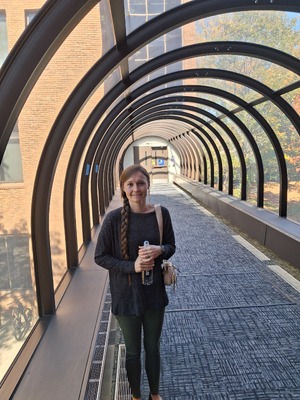 Melinda BeaversUndergraduate Student“Academic success does not have a timeline.”Read my first-gen story
My story
Growing up, I was one of those students who fell between the cracks. School was not a priority because I was busy trying to survive and make sense of my world. By 16, I had dropped out of high school and was determined to start working to build a better life for myself. Soon after, a domestic violence crisis resulted in the death of both of my parents. Having been raised in a home with addiction and abuse, I had to overcome many childhood adversities. Yet, as the youngest of four children, I became the first in my family to graduate from both high school and college. I refuse to let my past define me. Instead, I am using my experiences to support others who may be navigating similar pain. As a future Licensed Professional Counselor specializing in grief and trauma, I am dedicated to bringing a rare, authentic empathy to my practice and showing others that healing is possible.
My advice for first-gen students
My advice for other first-generation students is to give yourself grace and never give up. The 16-year-old version of me never could have imagined how far I would come. Academic success does not have a timeline. It can happen at any stage of life as long as you put in the effort. Most importantly, know that you are not alone. If you feel like you don’t have a massive village or support team behind you right now, don’t let that stop you. From experience, I learned that your institution becomes that support system the moment you enroll. Trust yourself, and never be afraid to pursue your dreams.
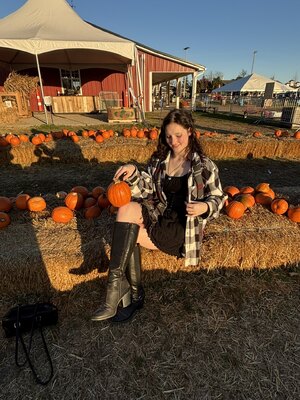 Nat 🙂Undergraduate Student“Being a first-gen student is hard, but never impossible.”Read my first-gen story
My story
I came from a place where people didn't live their lives; they survived it. Not in a catastrophic, headline-worthy way, but in the quiet way that goes unnoticed. My parents were not good at being members of society. They resented the routines and responsibilities that make up the traditional American family, which meant independence arrived early for me. After my parents separated, my sibling and I eventually moved in with our father's parents. What I expected to be stability became a lesson in understanding where my father's struggles came from. Their authoritarian parenting style, combined with the distrust and trauma I already carried, shaped much of my adolescence.
To say the adults in my life had no impact on who I became would be a blatant lie. I used to believe that because I was different from my parents, they had no impact on my identity or values, when it is the opposite. Growing up around addiction, narcissism, and unhealthy relationships taught me lessons I carry with me every day. Metaphorically speaking, I am not a flower that bloomed because of fertile soil and care; I am a wildflower that forced its way through cracks in crumbling concrete. Every value I hold was formed by seeing what happens to people when those values are absent.
The people around me did not show me who I wanted to become. Instead, they showed me who I never wanted to be, and in doing so, played a profound role in shaping the person I am today.
My advice for first-gen students
Being a first-gen student is hard, but never impossible. The most important thing I wish someone had told me before my first semester would be: "Discover who you want to be, and plan how you'd get there." Many first-generation students spend so much time trying to figure out the rules that they forget to ask themselves what they're working toward. Once you know the person you want to become, setbacks feel temporary, opportunities become easier to recognize, and every step forward has a purpose. And that's not to say your plans can't change. I changed my major three times during my first year trying to figure it out! Sometimes growth isn't about sticking to one path; it's about having the courage to explore until you find the right one.
 NikkiUndergraduate Student“Change is uncomfortable and change doesn’t have an age limit.”Read my first-gen story
My story
I come from a little town about 3 hours away. I grew up in poverty. And I grew up with seven brothers no sisters my dad was illegal and biological mother is a citizen. I grew up in very harsh conditions I was eventually given up to other family members. I grew up in an unhealthy environment and my teenage years were filled with a lot of drugs and a lot of alcohol and a lot of death. Eventually, when I turned 18 I had my first child and I was homeless on drugs no longer going to school and I was just rock bottom and eventually one day. I just got up and decided that I no longer wanted to be here anymore, and I wanted to do better, not only for myself, but for my child and it started for me I am now a married woman with three children and a college degree and there’s a lot more to my story, but that’s just a short version . Because of all the things that I’ve went through, it has formed me into a strong confident, funny, loving, very forgiving woman and a better mother. And I wouldn’t be here today if it wasn’t for all the failures that I came across getting to where I am today because it helped me learn a lot of lessons. I think I needed to learn.
My advice for first-gen students
Change is uncomfortable and change doesn’t have an age limit. And failure is just another opportunity to learn.
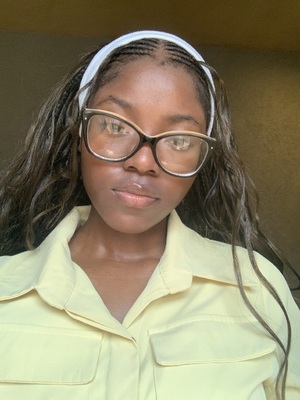 NormaUndergraduate Student“The sky is not the limit; it is the starting point.”Read my first-gen story
My story
I am an international undergraduate student from South Africa. Unfortunately, I am studying online. I am the first of three children to go to an international university, and I feel honoured. With parents and brothers who did not finish university, I had always hoped to break that pattern and be the one who would be resilient enough to carry my family’s legacy. I have already had an eye for learning from others’ mistakes, for I believe that sometimes prevention is better than cure. I do not have to smoke to know that smoking causes lung cancer. With that perception in line, I have always set seemingly impossible goals, but we know that nothing is impossible for even the word itself spells “I’m possible”. Optimism carried and still carries me, and that is why I find myself today among the University of Michigan students because I never let my close family’s story be my own.
My advice for first-gen students
The sky is not the limit; it is the starting point. It is very much possible to break cycles that we never created. In this day and age, assistance is at every corner waiting for us to reach out and acquire it. Nothing is an excuse in these modern times. It is our responsibility to create our imperfect family's legacy even if we start from the very bottom. You can never hit below rock bottom, because there is someone out there who has formed a foundation (rock) to help people like you and me if ever our circumstances threaten to impede our success.
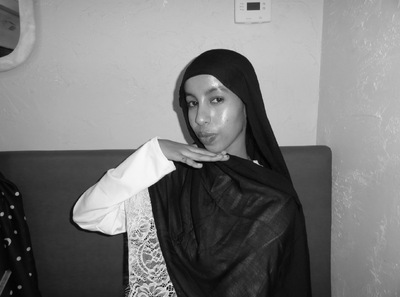 RowdaUM Alumni“Your experiences, background, and determination are strengths that can help you succeed.”Read my first-gen story
My story
We would love to hear your story. Can you share a little about your background, where you come from, and the experiences that have shaped your identity, values, and the person you are today?
*
I come from a Somali background, and my culture has played an important role in shaping my identity, values, and outlook on life. Growing up, I was taught the importance of family, respect, perseverance, and supporting others. My family has always encouraged me to work hard, stay focused on my goals, and appreciate the opportunities available to me.
My experiences have taught me resilience and determination. Balancing school, work, and family responsibilities has not always been easy, but these challenges have helped me develop a strong work ethic and a sense of responsibility. They have also shown me the value of patience, adaptability, and continuing to move forward even when faced with obstacles.
Education has been an important part of my journey because it represents an opportunity to grow, learn, and create a better future. I am proud of where I come from and the values my amily and culture have instilled in me. These experiences have shaped me into someon ho is compassionate, hardworking, and committed to making a positive impact on m community and the people around me.
My advice for first-gen students
My advice for other students is to believe in yourself and remember that it is okay not to have all the answers right away. College can feel overwhelming at times, especially when you are navigating new experiences and responsibilities, but asking for help is a sign of strength, not weakness. Take advantage of the resources available to you, such as academic advisors, tutors, professors, and student organizations.
Stay focused on your goals and remember why you started. There may be challenges along the way, but persistence and hard work can help you overcome them. Do not compare your journey to someone else's because everyone moves at their own pace. Celebrate your accomplishments, no matter how small they may seem, and use setbacks as opportunities to learn and grow.
Most importantly, be proud of how far you have come. Your experiences, background, and determination are strengths that can help you succeed. Keep moving forward, stay connected to your support system, and trust in your ability to achieve your goals.
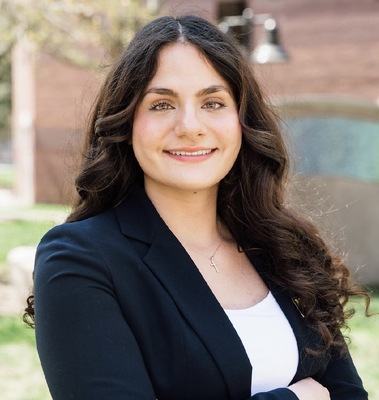 Samantha JarbouUndergraduate Student“Remember that asking for help is a strength, not a weakness, and you do not have to know everything to be successful.”Read my first-gen story
My story
My parents immigrated to America from Iraq, and growing up as a first-generation American has played a significant role in shaping who I am today. I was raised with a strong appreciation for my Chaldean heritage, family, faith, and the importance of staying connected to my roots while embracing the opportunities that come with living in America.
One of the most important values my parents instilled in me is the importance of hard work, perseverance, and education. Their experiences and sacrifices have taught me not to take opportunities for granted and to recognize the responsibility that comes with them. In my culture, family and community are central to who we are, and I have learned the importance of showing up for others, treating people with respect, and giving back whenever possible.
Being first-generation has also taught me the importance of representing more than just myself. I carry the lessons, sacrifices, and hopes of my family with me in everything I do. These values have shaped my desire to serve my community, take on leadership roles, and create opportunities for others. Whether through my education, campus involvement, or relationships with others, I strive to lead with compassion, humility, and a strong sense of responsibility.
Ultimately, my background has taught me that success is not just about what I accomplish individually, but also about how I use those accomplishments to make a difference in the lives of others. I am proud of where my family comes from, grateful for the opportunities I have been given, and committed to honoring my roots through the person I become and the impact I hope to make.
My advice for first-gen students
My advice to first-generation students is to never be afraid to ask questions and to always believe in yourself, even when times get tough. Being the first in your family to navigate certain experiences can feel overwhelming, and sometimes you may feel like you are figuring everything out on your own. Remember that asking for help is a strength, not a weakness, and you do not have to know everything to be successful. Give yourself grace, take advantage of the resources and opportunities available to you, and never let uncertainty make you doubt your potential. Your background is not a limitation; it is a source of strength that has helped shape your resilience, work ethic, and perspective. Be proud of how far you have come, trust yourself through the challenges, and remember that you belong in every room you have worked hard to enter.
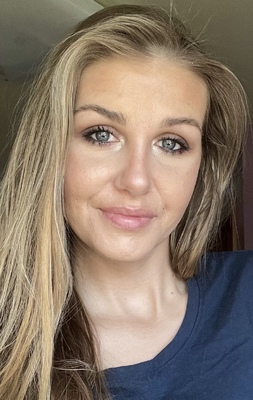 Sierria ConnonUndergraduate Student“You do not have to have everything figured out to get started, and your past does not determine your future.”Read my first-gen story
My story
My journey as a first-generation college student at the University of Michigan-Flint has been shaped by resilience, perseverance, and a desire to create a better future for myself and my family. Growing up, I experienced the effects of addiction, loss, poverty, and family instability. These challenges shaped my values and inspired my passion for social work, advocacy, and helping others navigate difficult circumstances without judgment.
Working in a supportive services role has strengthened my commitment to supporting individuals and families affected by substance use and other life challenges. Pursuing my degree in social work allows me to build on my professional experience while gaining the knowledge and skills to make an even greater impact in my community.
Balancing college, work, and family life has not always been easy, but my spouse and sister have been incredible sources of encouragement. They continue to inspire me to grow, believe in myself, and pursue my dreams.
To me, being a first-generation college student means breaking barriers, embracing new opportunities, and recognizing that my past does not define my future. I hope my journey demonstrates that difficult beginnings do not have to determine where life takes you. I am proud of how far I have come and excited to use my education and experiences to help others find hope, build resilience, and create new possibilities for themselves.
My advice for first-gen students
My advice to other first-generation students is to believe in yourself, even when the journey feels overwhelming. You do not have to have everything figured out to get started, and your past does not determine your future. Ask questions, accept support, and give yourself grace as you learn and grow. Balancing school, work, and family can be challenging, but your dreams are worth pursuing. Surround yourself with people who encourage you, celebrate your progress, and remind you of your potential. Most importantly, remember that you belong here, your experiences have value, and it is never too late to create the future you want.
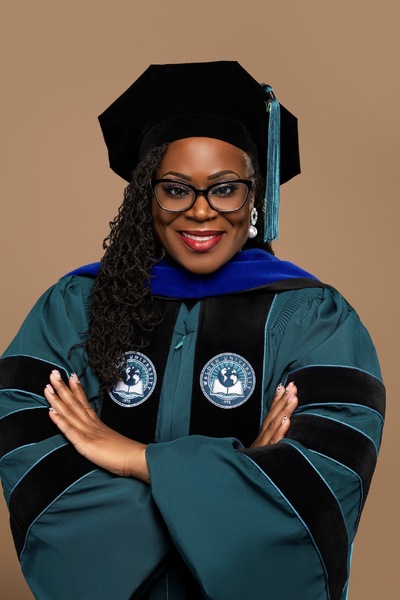 Dr. Tariya SandersUM Alumni“Believe in yourself enough to go after the very best regardless of your past.”Read my first-gen story
My story
I’m a first generation college graduate. I went to Flint Community Schools for K-12. I was born and raised in Flint and higher education is just not something I feel like was talked about enough. But I didn’t value education when I was an adolescence or teen the way I do now.
I was a fighter and spent a lot of time kicked out of school. By the time I got to high school, I was more interested in sports than my education. I barely graduated high school. (My GPA was a 2.0) so I didn’t go to college immediately. I had applied to schools and got rejected from every single one because of my poor GPA.
I had an high school counselor tell me that I needed to look at trade schools because I wasn’t smart enough for a college or university. And it’s not that I wasn’t smart enough, I simply just didn’t value education like I should have. But that counselors words stuck with me and I took it on as a challenge to reach for the top.
Although my parents did well for themselves, I didn’t come from wealth so I had to find a way to pay for my education. Thankfully with the help of federal student loans, I was able to obtain my bachelors, 2 masters and my PhD (and my PhD GPA was a 4.0).
Although, I’ve reached this level in my educational journey, it doesn’t stop here. I feel like now I have a duty and responsibility to help the future generations coming behind me. To remind others that’s it’s not how you start, but how you finish. But also, to never allow negative words to make you believe it. Believe in yourself enough to go after the very best regardless of your past.
I used to harbor anger towards that counselor however the person I am today, is actually thankful for his words. Because it gave me the power to believe that I could do better. And I’ve become that better version today.
My advice for first-gen students
Even if you don’t come from wealth, create your own path to higher education. Don’t let anything stop you! Never stop reaching for the top!
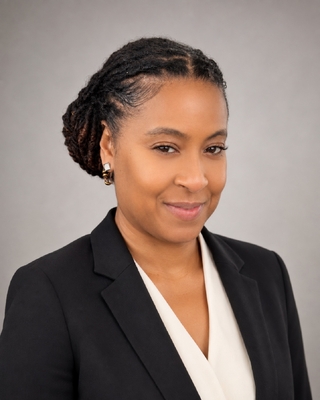 Tasheikya HunterGraduate Student“You do not have to have a perfect beginning to create a meaningful legacy.”Read my first-gen story
My story
I am a woman whose life has been shaped by adversity, resilience, faith, and a commitment to helping others. Becoming a teenage mother at 17, navigating single parenthood, experiencing divorce, and overcoming tremendous personal challenges taught me lessons that no textbook could ever fully explain.
My journey has not been traditional, but every experience has helped shape the woman I am today. I learned early that circumstances can influence your life, but they do not have to determine your future.
For years, I served women, children, and families in my community through volunteering and community-based programs. However, I eventually became tired of walking into rooms as a volunteer, knowing that people needed clinical services I was not yet qualified to provide. I wanted to walk into those same rooms as a licensed professional, equipped with the knowledge and credentials to provide meaningful support.
That desire led me to pursue my Master of Social Work degree at the University of Michigan-Flint.
Through my education, I have discovered that my lived experiences are not limitations. They have helped me develop empathy, compassion, and an understanding of what it means to meet people where they are. My education is now helping me combine those experiences with evidence-based clinical practice.
Today, I am not simply pursuing a degree. I am preparing to become the kind of clinician I once needed and the kind of professional my community deserves.
My story is still being written, but I am proud that the challenges I once faced have become part of the foundation for the work I am called to do.
My advice for first-gen students
My advice to other first-generation college students is to never allow your beginnings to determine your destination.
You may enter college with more life experiences than academic confidence. You may be raising children, working, managing responsibilities, or trying to figure out a system that no one in your family has taught you how to navigate. But that does not mean you do not belong.
Do not compare your journey to someone else’s. Ask questions, seek mentorship, use the resources available to you, and never be ashamed of what you do not know.
Most importantly, recognize that your lived experiences have value. Education does not erase where you came from; it gives you additional tools to help determine where you are going.
I entered higher education wanting to make a difference in my community. Along the way, I discovered that I was also changing the possibilities for myself and the generations coming behind me.
You do not have to have a perfect beginning to create a meaningful legacy.
 TiOra TurnerUndergraduate Student“Be the person you wish you had when you started.”Read my first-gen story
My story
I come from a nontraditional, unconventional home where trauma, hardship, and chaos were often a normal part of life. Born and raised in Flint, Michigan, I attended Flint Northwestern Academy before graduating from Genesee Early College. My upbringing was far from perfect, but it shaped the determination, grit, and resilience that I carry with me today.
Both of my parents served in the military, but they were also navigating their own personal challenges. As the first in their families to be married, they were trying to figure out life, overcome hardships, and raise six children. Growing up, I didn't always have stability, guidance, or examples of what success could look like. However, one of the greatest lessons my upbringing taught me was that I don't have to have it all together to give my best. So that's exactly what I did. I showed up, even when I didn't know what I was doing, and when my circumstances told me I couldn't, I searched for opportunities that showed me I could.
As a first-generation college student, entering college was intimidating. I felt out of place, whether I was having conversations, navigating campus, or simply trying to understand how everything worked. I didn't have someone in my family who had accomplished what I was working toward, someone who could give me the game or walk me through the process. I had to learn through experience, mistakes, asking questions, and sometimes fighting against systems and policies that created additional barriers.
My educational journey took much longer than the traditional four years. Life happened, repeatedly. I experienced personal trauma, toxic situations, health challenges, and circumstances that could have easily convinced me to give up. There were moments when life felt like it had snatched me up, balled me up, chewed me up, and spit me right back out. But somehow, I kept going. I asked for help when I needed it, spoke up when something wasn't right, and fought for opportunities that weren't always easily accessible to someone with my background.
What kept me going was knowing that my journey was bigger than me. I wanted my children to see that success doesn't always come from having the perfect upbringing, the right connections, or a clear path. Sometimes, success comes from refusing to quit, even when everything around you gives you a reason to.
Today, I don't look at my upbringing with resentment. I recognize the challenges my family faced, but I also appreciate what those experiences gave me: determination, grit, resourcefulness, and the drive to create something better for myself and my children. Those same values influence how I show up in my community, how I advocate for others, and why I believe access to opportunities, resources, and support matters so much.
My story isn't about having overcome every obstacle. It's about learning that obstacles don't have to determine the outcome. I am still growing, still learning, and still building. But I am proud that despite everything I have experienced, I never stopped believing that I was capable of more.
My advice for first-gen students
My advice to other first-generation students is to give yourself grace, but don't permit yourself to give up. Understand that your journey may not look like everyone else's, and that's okay. You may not have someone who can walk you through the process, explain how things work, or tell you what steps to take next. That doesn't mean you don't belong or that you're not capable.
Ask questions, seek out resources, build relationships, and don't be afraid to advocate for yourself. You don't know what you don't know, and there is no shame in that. Don't allow pride, fear, or the feeling of being out of place to stop you from accessing opportunities that could change your life.
Most importantly, don't measure your success by someone else's timeline. It took me longer than four years, and I had to overcome circumstances that many of my peers never experienced. But I finished. Your circumstances may explain your challenges, but they do not have to determine your outcome.
Remember, being first-generation means you're navigating a path that may be unfamiliar to your family. You're not just earning a degree; you're gaining knowledge, creating opportunities, and becoming an example for those who come after you. You don't have to have it all figured out. Just be willing to show up, learn, grow, and keep going. And when you make it, don't forget to share what you've learned with someone coming behind you. Be the person you wish you had when you started.
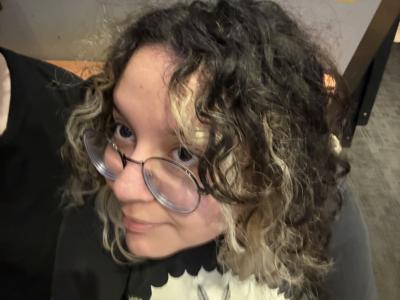 Toby ArandaUndergraduate Student“College is a learning experience, and you're allowed to learn along the way.”Read my first-gen story
My story
I am the second child of immigrant parents from Mexico, and my upbringing has played a major role in shaping who I am and the goals I have for my future. My parents have made significant sacrifices to provide opportunities for my sister and me that they didn't have growing up. My mother wasn't able to finish middle school because of the circumstances of her home life, and my father never had the opportunity to complete his college degree. My sister also faced barriers when pursuing her education at community college because, as a DACA recipient, she was charged as an international student. Seeing the obstacles my family has faced has given me a different perspective on education and the opportunities that come with it.
I am now working toward becoming the first person in my family to earn a doctoral degree, with plans to pursue a PhD in Clinical Psychology. This goal means much more to me than earning a degree. I want my family's hard work and sacrifices to open doors that previous generations weren't able to walk through. I also recognize that many first-generation Mexican students face similar challenges, especially those who feel pressured to leave school to help support their families through physically demanding jobs. I want to be an example of what is possible and encourage other students from similar backgrounds to pursue higher education, even when the path isn't easy.
One of my biggest motivations is showing my family that their hard work paid off. I want to take advantage of every opportunity available to me, not only for my own future but also to make those opportunities more accessible to others. I hope to eventually use my education and career in clinical psychology to give back to my community and help people who may not otherwise have access to mental health resources. To me, being a first-generation student means carrying my family's experiences with me while working toward a future that previous generations helped make possible.
My advice for first-gen students
My biggest advice to other first-generation students is to keep pushing forward, even when things get difficult. Don't be afraid to ask for help or take advantage of the resources available to you. You don't have to figure everything out on your own, and asking for help doesn't make you any less capable. It's okay to struggle, make mistakes, change your plans, and not have everything figured out. College is a learning experience, and you're allowed to learn along the way. Don't let the fear of failing or feeling out of place convince you that you don't belong. Remember why you started, recognize how far you've come, and give yourself credit for the work you're putting in. You deserve the same opportunities as everyone else, and your background should never make you feel like you don't belong in the spaces you're working so hard to be in.
 ToriUndergraduate Student“Give yourself grace, celebrate your progress, and remember that every step forward is an accomplishment.”Read my first-gen story
My story
I come from Alpena, a small community in Northern Michigan, where I learned the importance of hard work, resilience, and caring for others. Growing up, I experienced both challenges and opportunities that helped shape who I am today. Many of my values come from the people around me, family, friends, teachers, and mentors, who taught me the importance of kindness, responsibility, and perseverance even when things are difficult. My experiences have taught me to be adaptable and determined. I've learned that growth often comes from overcoming obstacles, and those moments have helped me develop a stronger sense of confidence and purpose. I value genuine connections with others, helping people when I can, and continuing to learn from every experience. Today, I am someone who strives to be compassionate, dependable, and open-minded. The experiences I've had have shaped my identity by teaching me empathy, resilience, and the importance of staying true to my values while continuing to grow into the person I want to become.
My advice for first-gen students
My advice to other first-generation students is to remember that you belong here. It’s okay not to have all the answers or to feel unsure at times. Don’t be afraid to ask questions, seek help, and use the resources available to you. Being the first in your family to navigate college can be challenging, but it is also something to be proud of. Give yourself grace, celebrate your progress, and remember that every step forward is an accomplishment. Your background and experiences are strengths, and they can help you succeed in ways you may not even realize yet.